If your Casa Linda home has started to feel like more work than comfort, you are not alone. Many longtime East Dallas owners reach a point where the extra rooms, large lot, and ongoing upkeep no longer match the way they want to live. The good news is that downsizing does not have to mean leaving the area you love, and with the right plan, it can feel organized instead of overwhelming. Let’s walk through it step by step.
Start With Your Real Goal
Downsizing is not just about moving into a smaller house. It is usually about making daily life easier, freeing up cash, cutting maintenance, or getting closer to family and familiar places.
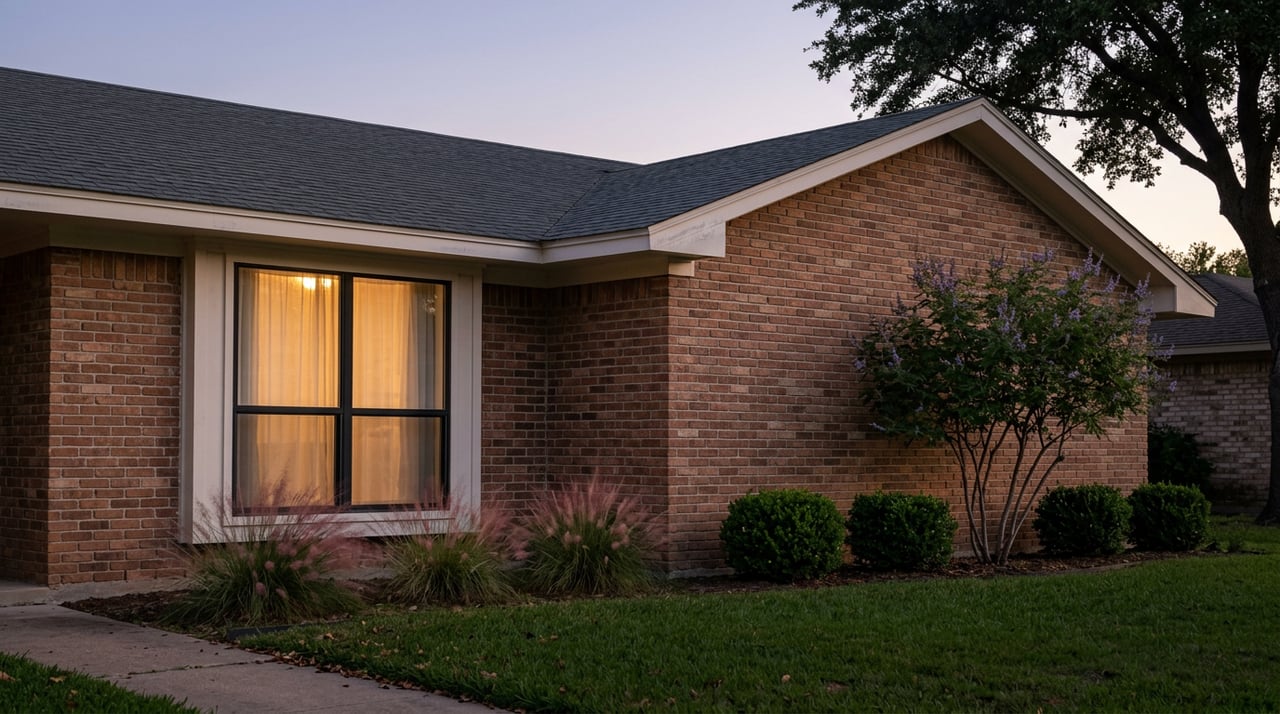
That is especially true in Casa Linda and nearby East Dallas neighborhoods, where many homes sit on generous lots and were built decades ago. The broader Casa Linda area was first developed in 1939, and many homes date to the 1940s, while nearby Lake Park Estates includes many 1950s and 1960s ranch-style homes with large yards and mature trees.
For many owners, the biggest question is not whether to move. It is whether you can simplify your life without giving up your community connections. In many cases, a nearby move within East Dallas feels more realistic than a long-distance relocation.
Understand Casa Linda Market Differences
One of the biggest mistakes sellers make is treating every Casa Linda label as the same market. They are not.
In March 2026, Redfin reported a median sale price of $681,500 in Casa Linda-Casa View, compared with $944,000 in Casa Linda Estates and $564,000 in Lake Park Estates. Median days on market were 37 in Casa Linda-Casa View, 41 in Casa Linda Estates, and 45 in Lake Park Estates.
Those numbers are useful, but context matters. The Casa Linda-Casa View figure came from 19 sales, while the Casa Linda Estates and Lake Park Estates figures were based on lower sales counts, which makes those medians more volatile. If you are planning a downsizing move, you need pricing and timing advice matched to your specific pocket of East Dallas, not a broad label.
Build a Downsizing Timeline Early
The smoothest downsizing moves usually start earlier than people expect. AARP recommends beginning the process about a year in advance, which gives you time to make thoughtful decisions instead of rushed ones.
A practical timeline often looks like this:
- About 12 months out: create a storage plan and begin decluttering
- About 9 months out: schedule a pre-listing inspection and start planning repairs
- Early in the process: begin yard cleanup and curb appeal work
- As your plan takes shape: connect with a Realtor and map out pricing, prep, and timing
- In the final months: deep clean, coordinate photography, and schedule movers
This kind of runway matters in older East Dallas homes. It gives you time to handle repairs, sort belongings, and decide what really fits your next chapter.
Declutter for the Home You Want Next
One of the smartest ways to downsize is to make decisions based on your next floor plan, not your current one. AARP specifically recommends figuring out what will fit in the next home before you start packing.
That means measuring furniture, thinking about storage, and being honest about what you use. A room-by-room system usually works best.
Try this simple sorting method:
- Keep: items that fit your next home and daily life
- Donate: useful items you no longer need
- Sell: pieces with meaningful resale value
- Toss: broken, expired, or unusable items
Skip the vague “maybe” pile if you can. It tends to slow the process and create more stress later.
Get a Pre-Listing Inspection
If your house was built in the 1940s, 1950s, or 1960s, an early inspection can be a major advantage. It gives you time to uncover issues on your schedule instead of reacting during negotiations.
AARP recommends a pre-listing inspection to identify concerns such as leaky pipes or foundation issues. In East Dallas, where older homes often have aging systems and deferred maintenance, this step can help you decide what to fix, what to disclose, and what to budget for before the home goes live.
This is also where local, hands-on guidance matters. If you need help prioritizing updates, coordinating contractors, or making smart presentation choices, a full-service strategy can keep you from overspending on the wrong improvements.
Check Permits Before Major Work
If you are preparing your home for sale, do not assume every repair is a simple cosmetic job. The City of Dallas requires residential permits for some types of work, including reroofing, foundation repair, and certain fence projects.
Dallas also notes that nonstructural interior remodeling in a single-family home can be exempt, but there can be additional requirements in historic districts, conservation districts, and planned development districts. If you are considering larger repairs or exterior changes, checking with Dallas Building Inspection and DallasNow before the work begins is the safest move.
If your next move keeps you in Casa Linda Estates, it is also wise to review neighborhood rules before making exterior changes. The Casa Linda Estates Neighborhood Association provides deed restrictions, zoning information, and section maps that may affect last-minute projects.
Focus on Repairs That Reduce Friction
Not every pre-sale project adds equal value. For downsizers, the best prep work is usually the work that makes the home feel cared for and reduces buyer hesitation.
After an inspection, focus first on issues that may create concern during the sale. Then turn to the basics that improve first impressions, such as landscaping, small fix-it items, and a clean, uncluttered presentation.
In a neighborhood like Casa Linda-Casa View, where homes can vary widely in condition, buyers tend to respond well to homes that feel well maintained and easy to understand. Clear presentation helps them see the house, not the to-do list.
Use Dallas Cleanout Resources
Large cleanouts can get complicated fast, especially if you have lived in the same house for many years. The City of Dallas offers residential brush-and-bulky collection once a month, up to 10 cubic yards, with a once-per-calendar-year exception of up to 20 cubic yards.
Materials should be set out Thursday through Sunday before collection week, placed just behind the curb, and not in an alley. The city also says not to include construction debris, electronics, paints, chemicals, or appliances with coolant in brush-and-bulky pickup.
For paints, solvents, and other household chemicals, Dallas County provides free disposal through the Home Chemical Collection Center at 11234 Plano Road for participating residents. For oversized set-outs, schedules, or self-haul questions, Dallas Sanitation and 311 are the right local contacts.
Decide What Your Next Home Needs
A successful downsizing move is not about getting the smallest house possible. It is about finding a home that fits how you want to live now.
A practical way to narrow your options is to focus on three filters:
- Single-floor living or fewer stairs
- A more manageable yard and maintenance load
- Proximity to family, daily services, White Rock Lake, or Casa Linda Plaza
AARP notes that single-floor living is often ideal when weighing whether to downsize or renovate. It also points out that costs such as HOA dues or lawn service in a smaller home can reduce day-to-day upkeep.
Compare Nearby East Dallas Options
If you want to stay close to your routines, East Dallas offers several very different downsizing paths. Each has its own housing stock, feel, and price point.
Lake Park Estates is often a natural comparison for longtime Casa Linda owners. The neighborhood includes many 1950s- and 1960s-era ranch and Austin-stone homes on generous lots, with 73 percent owner occupancy, a median owner-occupied value of $483,000, and an average owner residence of 17 years.
Eastwood is another option to consider if you want a smaller home while staying in the White Rock Lake corridor. D Magazine reports tree-lined streets, ranch-style cottages, and mid-century modern homes there, with a median owner-occupied home value of $381,750 and a median year built of 1966.
Casa View tends to represent a more affordable end of the corridor. D Magazine reports some homes under $200,000 there, along with a median owner-occupied value of $173,053 and a notable stock of mid-century homes.
The best fit depends on what matters most to you. Some owners want less square footage. Others want to keep a yard but reduce maintenance. Some simply want to remain near familiar shops, parks, and family.
Review Tax Questions Before You Sell
Taxes are not the most exciting part of downsizing, but they can affect your plan. If you are selling a primary residence, the IRS says eligible homeowners may exclude up to $250,000 of gain from a main-home sale, or up to $500,000 for certain joint filers, if the ownership and use tests are met.
For Texas homeowners age 65 or older, the Texas Comptroller says school districts must provide an additional $60,000 residence homestead exemption. Dallas Central Appraisal District also explains that an age-65 or disabled tax ceiling can transfer to another Texas home, though county, city, or junior college tax-ceiling transfers must remain within the same taxing unit.
Because these details are specific, it helps to review them before you list your home or buy the next one. DCAD and the Texas Comptroller are the best local sources for homestead and over-65 questions in Dallas.
Make the Move Feel Manageable
Downsizing can bring a mix of relief and emotion. You may be letting go of a house that held decades of memories, even if you are excited about a simpler next step.
That is why a clear process matters so much. When you break the move into stages, price the home based on the right micro-market, and prepare the property thoughtfully, the transition becomes much more manageable.
In a place like Casa Linda, local knowledge really counts. The age of the housing stock, the differences between nearby sub-neighborhoods, and the practical details of preparing an older home for sale all affect your outcome.
If you are starting to think about downsizing in Casa Linda or nearby East Dallas, the right guidance can help you make a plan that fits your timeline, your finances, and your next home goals. When you are ready for a local, step-by-step approach, connect with Jenny Capritta for trusted guidance on selling and finding the right next fit.
FAQs
What does downsizing in Casa Linda usually involve?
- Downsizing in Casa Linda often involves decluttering early, getting a pre-listing inspection, planning repairs, using Dallas cleanout resources, and choosing a next home based on layout, upkeep, and location.
How is Casa Linda-Casa View different from Casa Linda Estates?
- They are different market areas with different pricing and sales patterns. In March 2026, Redfin reported a median sale price of $681,500 in Casa Linda-Casa View and $944,000 in Casa Linda Estates.
Should you get a pre-listing inspection for an older East Dallas home?
- Yes, it can be a smart step because it helps you identify issues such as leaks or foundation concerns before listing, which gives you more control over timing and repair decisions.
What repairs in Dallas may require a permit before selling?
- The City of Dallas says permits may be required for work such as reroofing, foundation repair, and certain fence projects, so it is important to verify requirements before starting major work.
How do you dispose of bulky items when downsizing in Dallas?
- Dallas provides monthly brush-and-bulky service for residential customers, but items like paints, chemicals, electronics, construction debris, and appliances with coolant must be handled separately.
What should you look for in a downsizing home near Casa Linda?
- Many downsizers focus on single-floor living, fewer stairs, a manageable yard, and staying close to family, White Rock Lake, Casa Linda Plaza, or other places they use often.
Are there tax considerations when selling a Casa Linda home to downsize?
- Yes, there can be. Depending on your situation, you may qualify for a capital gains exclusion on a primary residence sale, and homeowners age 65 or older may have homestead exemption or tax-ceiling transfer questions to review with Texas and Dallas appraisal authorities.