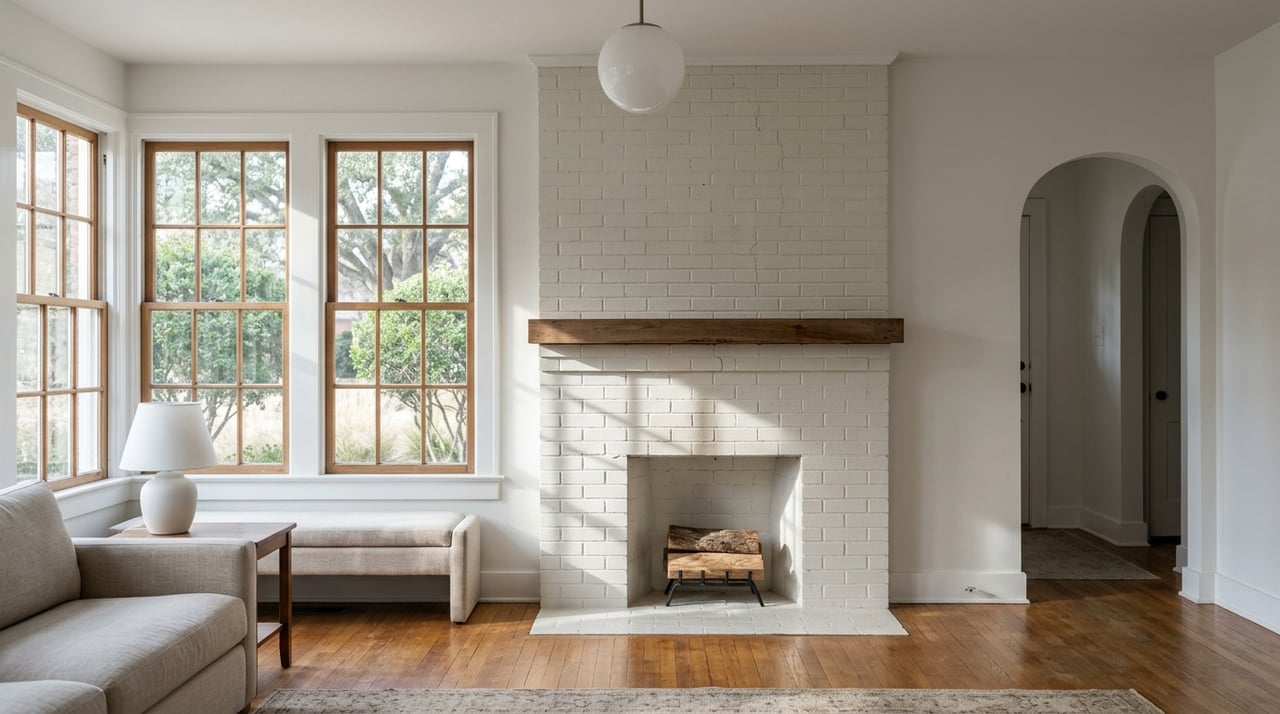
Wondering how to sell a Lakewood character home without stripping away the very details that make buyers fall in love with it? If you own an older home near White Rock Lake, you may feel pulled between updating for the market and protecting the architectural story that gives your property its appeal. The good news is that in Lakewood, authenticity can be an asset when you plan carefully, make selective improvements, and market the home with intention. Let’s dive in.
Why character matters in Lakewood
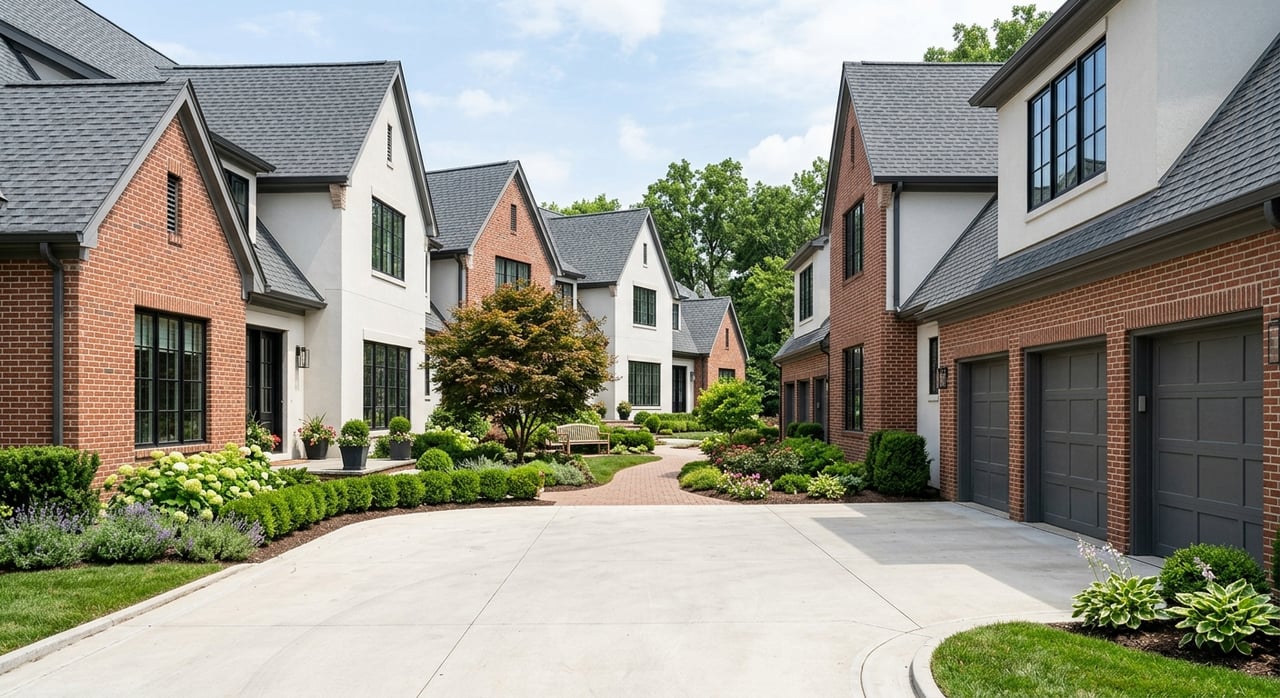
Lakewood stands out in East Dallas because of its long architectural history and strong neighborhood identity. City materials describe a mix of Tudor, Spanish Eclectic, French Eclectic, Colonial Revival, Neoclassical, Minimal Traditional, Ranch, and Mid-Century Modern homes, with an average home age of 77 years in the documented expansion area.
That history is not just interesting background. It shapes what buyers expect when they shop in Lakewood. In a market where Redfin reported a median sale price of $1.6 million, average days on market of 26, and frequent multiple-offer activity for the three months ending April 2026, buyers are often responding to both the home itself and the story it tells.
If you are selling a character home here, your goal is usually not to make it feel brand new. Your goal is to present it as well cared for, visually cohesive, and true to its architecture.
Start with district status
Before you touch the exterior, confirm exactly how your property is regulated. This step matters because not all Lakewood homes follow the same preservation rules.
Dallas distinguishes landmark districts from conservation districts. Landmark districts require a Certificate of Appropriateness before work begins, while conservation districts can regulate features such as height, setbacks, roof style, windows, and materials. Dallas also notes that a Conservation District Work Certificate may be required for new construction, exterior remodeling, demolition, or additions.
Lakewood is listed by the city as Conservation District #2. City materials note that the Lakewood CD-2 Expansion was approved on February 26, 2025, with an effective date of March 31, 2025, and that rules can vary by block and by designation.
That means your first checklist item should be simple:
- Confirm your parcel status
- Verify whether your block is affected by conservation district rules
- Check whether any planned exterior work needs a work certificate
- Confirm whether a residential permit is required before construction, renovation, or major repairs begin
This early homework can save you time, money, and stress later in the listing process.
Protect the features buyers notice first
When buyers pull up to a Lakewood home, they are usually reading the architecture right away. Rooflines, windows, masonry, trim, porches, and entry details often shape their first impression before they even step inside.
For that reason, the most valuable preservation choices are often the most visible ones. Research tied to Lakewood preservation guidance points sellers toward character-defining features such as original windows, leaded or stained glass, porches, masonry, built-ins, courtyards, and other architectural details.
If these elements are in place, preserve them whenever feasible. They help your home feel rooted, finished, and credible to buyers who specifically want an older Lakewood property rather than a generic remodel.
Repair before you replace
One of the biggest mistakes sellers make with character homes is assuming older automatically means obsolete. In many cases, the smarter move is to repair a historic feature rather than replace it.
National Park Service guidance says deteriorated historic features should be repaired rather than replaced whenever feasible. If replacement is unavoidable, the new feature should closely match the original in design, color, texture, and, where possible, materials.
That principle is especially helpful when you are deciding how to spend money before listing. Instead of removing original details, focus on fixing deferred maintenance and correcting mismatched past repairs.
A practical way to think about it is this: old is not the same as broken. In a Lakewood character home, buyers often value age markers that feel authentic and well maintained.
Think twice before replacing windows
Windows are one of the most common pressure points in older homes. They are also one of the features that can strongly affect a home’s appearance from the street and from inside.
The National Park Service specifically encourages repair and retention of historic windows when feasible. Replacement is more appropriate when deterioration is too severe to repair.
So if your windows are drafty, that does not automatically mean they all need to go. A more strategic approach may be to evaluate condition, repair what you can, and avoid a blanket replacement plan that changes the home’s look.
Make updates compatible, not generic
You do not need to freeze your home in time to sell it well. Buyers still care about comfort, function, and presentation. The key is choosing updates that support the original architecture instead of fighting it.
Research for Lakewood notes that energy-efficiency improvements can be compatible with preservation when they do not diminish historic character or damage historic materials. In practice, that usually means choosing visually compatible upgrades and avoiding changes that erase defining details.
Good pre-listing updates often include:
- Repairing cracked or deteriorated masonry
- Refreshing trim and paint in a historically compatible way
- Improving the front entry experience
- Addressing roofline or porch maintenance issues
- Correcting obvious wear that distracts from the home’s architecture
These types of projects help buyers see stewardship rather than neglect.
Focus your budget on visible improvements
If you are deciding where to invest before listing, resist the urge to over-renovate. A full remodel can be expensive, time-consuming, and risky if it removes the details that give the home its character.
Research cited in the Journal of Light Construction’s 2024 Cost vs. Value data found that nine of the top 10 highest-ROI projects were exterior improvements. Garage door replacement, steel entry door replacement, and manufactured stone veneer ranked especially high nationally.
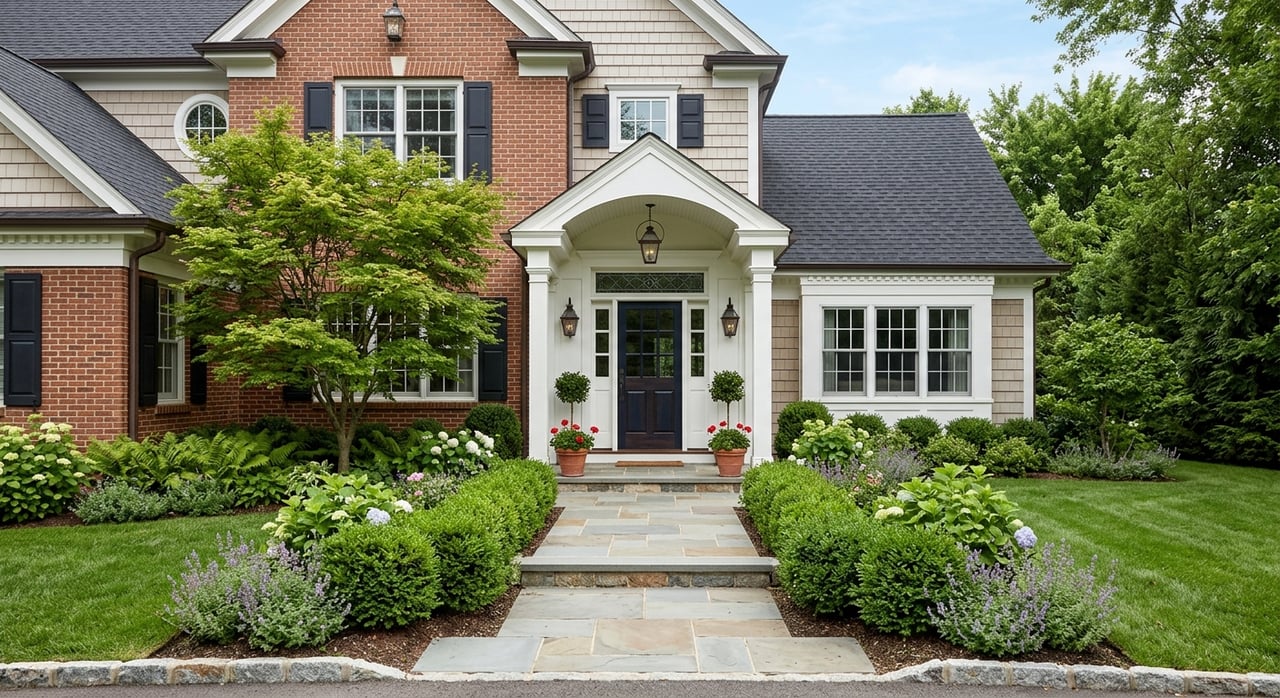
For a Lakewood character home, the bigger takeaway is not to copy every national trend. It is to focus on visible, limited-scope improvements that help curb appeal and support the home’s original style.
Smart pre-listing priorities
In many cases, your best return may come from:
- Exterior touchups
- Front-entry improvements
- Garage-facing improvements
- Repair of original architectural features
- Paint and maintenance that reduce visual distraction
- Professional staging and media
That approach aligns with both preservation guidance and practical ROI data.
Stage for architecture, not against it
Staging is especially important in a home with strong architectural bones. Buyers need help seeing how the house lives today, but they also need room to notice the craftsmanship that makes it special.
According to the National Association of Realtors staging report, 81% of buyers’ agents said staging made it easier for buyers to visualize a property as a future home. The same report found that living rooms, primary bedrooms, and kitchens were the most important rooms to stage, while many agents also said staging helped reduce time on market.
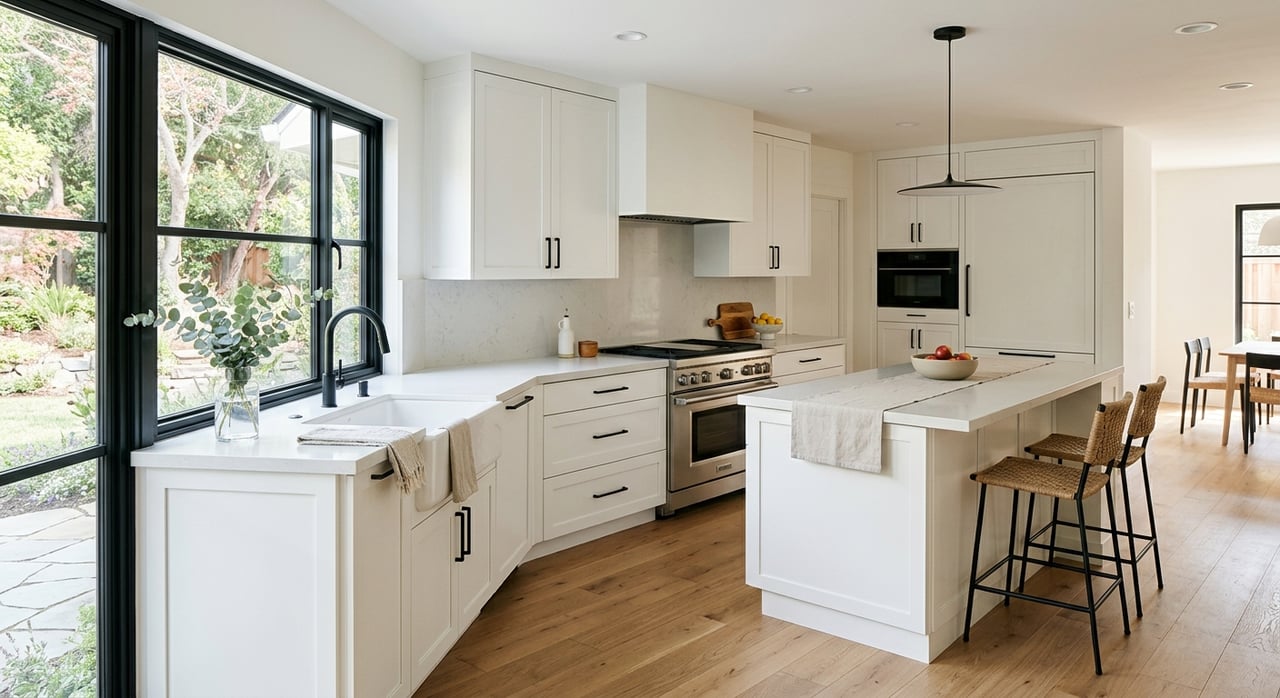
In a Lakewood character home, staging works best when it frames the architecture rather than overpowering it. That usually means lighter visual styling, fewer distractions, and furniture placement that opens sightlines to windows, trim, built-ins, and natural light.
What staging should accomplish
Your staging plan should help buyers:
- Notice original details
- Understand room scale and function
- See clear pathways and sightlines
- Feel the home is cared for and move-in ready
- Imagine daily life without losing the home’s historic personality
This is where a thoughtful, full-service listing strategy can make a real difference. Coordinating repairs, staging, and presentation in the right order often produces a stronger result than tackling each piece in isolation.
Use photos and video to tell the story
For a character home, marketing starts long before a showing. Buyers often form their first impression online, and your visual presentation should capture both the architecture and the atmosphere.
The staging research notes that photos, videos, physical staging, and virtual tours all matter to buyers. In a neighborhood like Lakewood, that means showing more than square footage. You want buyers to understand proportions, natural light, craftsmanship, and curb appeal.
Strong listing media often highlights:
- Street presence and mature setting
- Entry sequence and front facade details
- Original windows, trim, or built-ins
- Living spaces with architectural focal points
- The relationship between indoor spaces and courtyards, porches, or outdoor areas
When this is done well, buyers do not just see a house. They see a well-preserved Lakewood home with a distinct identity.
Keep marketing language factual and inclusive
When you market a home with history, it is easy to drift into language that feels romantic but becomes too vague or too personal. The safer and more effective route is to focus on factual, property-centered descriptions.
Dallas states that its fair housing ordinance applies to advertising transactions, and HUD guidance also covers housing-related ads online. That means your listing should celebrate architecture, craftsmanship, and design without implying who the ideal buyer is.
Strong listing copy can focus on:
- Architectural style
- Original details
- Thoughtful updates
- Layout and function
- Lot, setting, and curb appeal
- Verified neighborhood and district context
That protects both compliance and credibility.
Follow a smart selling sequence
Selling a Lakewood character home usually goes more smoothly when you follow a clear order of operations. Dallas notes that a residential permit is the official approval needed to start construction, renovation, or major repairs, and some homes may also require additional district-related approvals.
A practical pre-listing sequence looks like this:
- Confirm district and parcel status
- Verify whether permits or work certificates are needed
- Make targeted repairs that preserve original character
- Complete selective curb-appeal and presentation updates
- Stage the rooms buyers care about most
- Launch with professional photography and video
- Market the home’s architecture with clear, factual copy
This process helps you avoid rushed decisions that can dilute the home’s identity or create unnecessary delays.
Selling well without overcorrecting
The best Lakewood sales often strike a balance. The home feels polished, functional, and market-ready, but it still looks like itself.
That is what many buyers want in this part of East Dallas. They are not just shopping for finishes. They are looking for craftsmanship, presence, and a sense of place.
If you own a Lakewood character home, you do not need to erase its age to compete. You need a strategy that respects the architecture, prioritizes the right updates, and presents the home with care. If you want guidance on pricing, prep, staging, and contractor coordination for a Lakewood sale, connect with Jenny Capritta for a local, full-service approach.
FAQs
Do all Lakewood homes have the same preservation rules?
- No. Dallas notes that some blocks are within conservation-district regulation and some are not, so you should confirm your parcel status before planning exterior work.
Should you replace old windows before selling a Lakewood character home?
- Not automatically. Preservation guidance encourages repair and retention of historic windows when feasible, with replacement generally reserved for windows that are too deteriorated to repair.
What improvements help a Lakewood character home sell well?
- The safest priorities are usually visible, limited-scope improvements such as exterior touchups, front-entry or garage-facing improvements, repair of original features, strong staging, and professional photos and video.
Do Lakewood sellers need approval before exterior work?
- Some do. Depending on parcel status and the type of project, Dallas may require a Conservation District Work Certificate, a Certificate of Appropriateness, a residential permit, or a combination of approvals.
How should you stage a character home in Lakewood?
- Stage it to highlight the architecture, not cover it up. Focus on cleaning, decluttering, repairs, open sightlines, and simple room layouts that let buyers notice windows, trim, built-ins, and natural light.